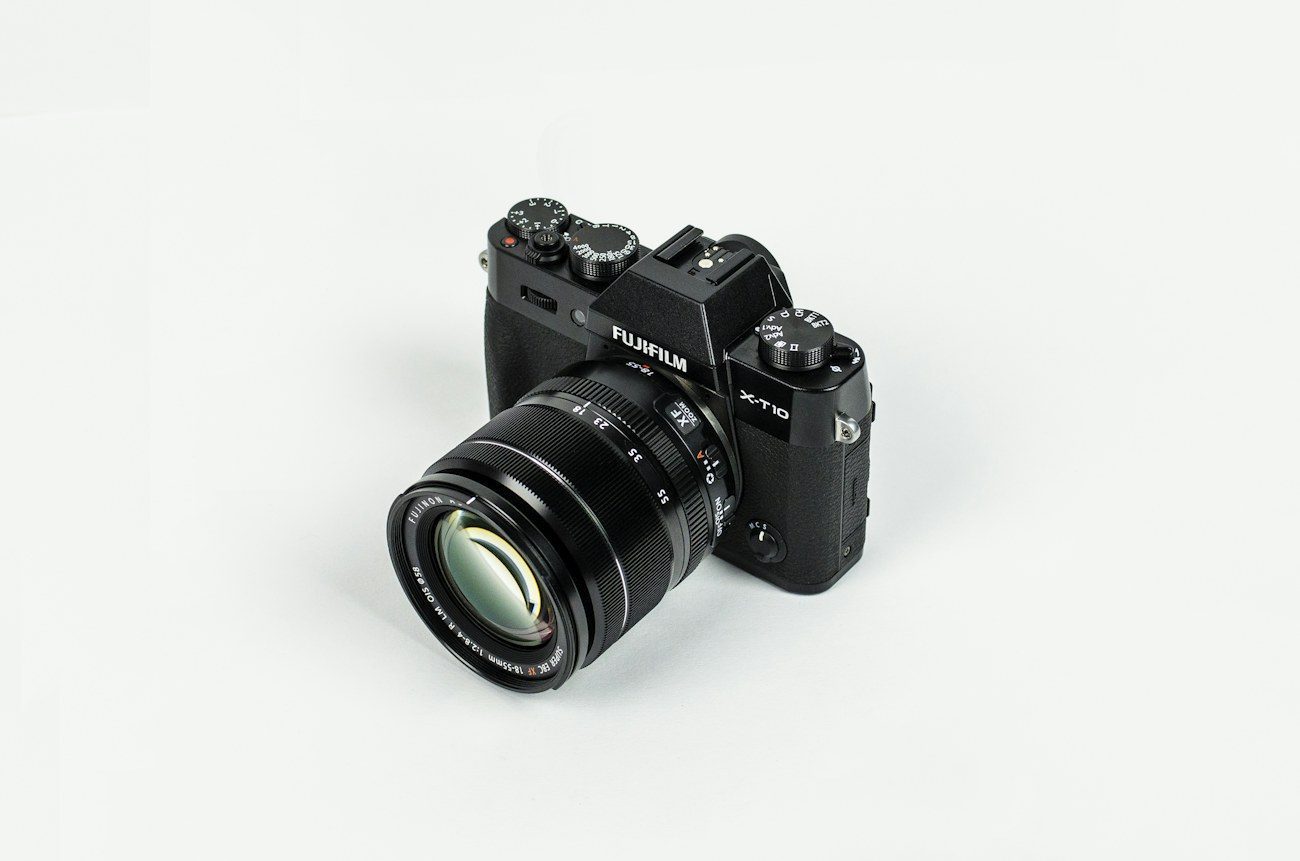
A familiar street is difficult to photograph because the mind has already named it. Shop, doorway, parked car, shadow. The labels arrive before careful seeing. This exercise uses four exposures of one small scene to slow the act of selection and reveal how technical settings become editorial choices.
Choose an ordinary boundary
Select a place you can remain without obstructing anyone: one building frontage, a corner, a bus stop viewed from a respectful distance or a line of light across a wall. Avoid photographing identifiable people without appropriate permission. The subject should be ordinary enough that novelty cannot do all the work.
Use one focal length. A fixed lens is convenient, but a zoom can remain at one marked position. The constraint removes one variable and asks you to change position, timing and exposure deliberately.
Make an initial factual frame
Photograph the scene with an exposure that preserves useful detail across highlights and shadows. Note aperture, shutter speed, sensitivity, focal length, time and weather. This is not the correct image; it is a reference against which later choices can be compared.
Review the histogram without treating it as a grade. A centred histogram does not guarantee a meaningful photograph, and clipped areas can be intentional. Use it to understand where recorded tones sit and which information will be lost by the next choice.
Protect the highlight
Make a second exposure for the brightest important surface. Allow darker areas to fall toward silhouette. Observe how the frame's subject changes. A reflective sign may become dominant; a doorway may become an unreadable shape. Write one sentence about what the image now asks the viewer to notice.
Open the shadow
For the third frame, expose for a dark area that contains meaningful structure. Accept that bright surfaces may lose texture. Compare colour, noise and visual weight. The camera has not merely revealed more; it has reassigned importance.
Wait for a changing element
Keep position and general exposure method, then wait for light, weather or a non-identifiable movement to alter the relationship of shapes. Do not chase spectacle. A cloud can flatten contrast; a reflection can connect two surfaces; a passing shadow can create a temporary boundary.
This fourth frame introduces time. Record how long you waited and what you predicted. The difference between prediction and result is part of the exercise.
Edit as a statement
Place the four images together without processing them into similarity. First describe what each preserves and sacrifices. Then choose one frame and state why in terms of the visual question, not sharpness alone. Another image may be technically cleaner while saying less.
Apply limited edits: consistent white balance reasoning, modest tonal changes and a crop only if it clarifies the intended boundary. Keep the original files and export settings. A reproducible edit allows later learning; an overwritten file erases the route.
Translate observation back into work
The exercise resembles technical and leadership decisions. Every measurement exposes some information and hides another. Constraints can improve attention when they are named. A record of settings, context and rejected alternatives makes judgement discussable without pretending it is objective.
Photography begins with light, but practice deepens when we can explain what we chose not to preserve.
Repeat under a different condition
Return at another hour or in different weather and repeat the sequence from the same approximate boundary. The aim is not to reproduce the earlier frames perfectly. Compare which decisions remained useful and which were tied to one kind of light. Note changes in pedestrian activity, reflections and access. If the location no longer permits the same respectful position, treat that as a real constraint rather than forcing the exercise.
Create a contact sheet with filenames, timestamps and exposure data. Write a short caption for each image before choosing a favourite. Then ask another reader what they notice first without telling them your intention. Their answer is not a vote, but it is evidence about how visual hierarchy travelled from maker to viewer.
A compact field checklist
- One ordinary scene and one fixed focal length.
- Permission and privacy considered before framing.
- A reference exposure with recorded conditions.
- One highlight-led and one shadow-led exposure.
- A fourth frame changed by time rather than equipment.
- Original files preserved alongside export decisions.
- A dated note about what you would test next.
Editing notes that preserve the experiment
Create a folder containing untouched originals, a contact sheet, export files and a plain-text note. Record camera clock accuracy if sequence matters. For each selected frame, list exposure adjustments, white-balance reasoning, crop and output profile. The aim is not administrative perfection; it is enough evidence to separate capture choices from later processing.
View the sequence at thumbnail size and at a larger reading size. Thumbnail comparison exposes visual hierarchy, while larger inspection reveals whether texture and focus support the intended subject. Do not choose solely by pixel-level sharpness. A slight motion trace may express time better than the technically clean frame.
Respectful public-space practice
Rules and expectations differ by location. Avoid blocking movement, photographing private interiors, exploiting vulnerable moments or persisting after a clear objection. For identifiable portraits, seek appropriate permission and explain intended use. Children and sensitive settings require particular care and may be unsuitable for an informal exercise.
Metadata can reveal location and time. Decide whether those details belong in a public export. Keep the full record privately when it supports learning, but remove unnecessary location data from published files when disclosure creates risk.
Turn the note into a record
A useful field note should survive the day on which it was written. Add the environment, owner, evidence source and review date to the same record as the recommendation. That makes later comparison possible. It also prevents a general idea from quietly becoming a permanent rule after the original conditions have changed.
Keep source material close: commands, screenshots, configuration diffs, meeting decisions or image metadata. Record what was rejected and why. A rejected option can become sensible later, but only if the earlier trade-off remains visible. If a metric definition changes, mark the boundary instead of combining unlike observations into one smooth-looking trend.
End with a named next action. It may be to proceed, test on a smaller surface, request another review or stop. Add a correction note if later evidence contradicts the article. Responsible practice is not the absence of revision; it is the ability to show what changed and why.
Questions for review
- Which claim in this note depends most heavily on the stated environment?
- What evidence would cause a different decision?
- Who has permission to stop the work when a limit is crossed?
- What should be checked again after one day, one week and one month?
- Could a reader distinguish direct observation from editorial judgement?